Education is only worth so much if it doesn't lead somewhere. For Felids & Friends, it led here: to the case for protecting wild animals and the habitats they need. Florida makes the stakes vivid, and the world's wild cats make them global.
Florida's Wild Neighbors
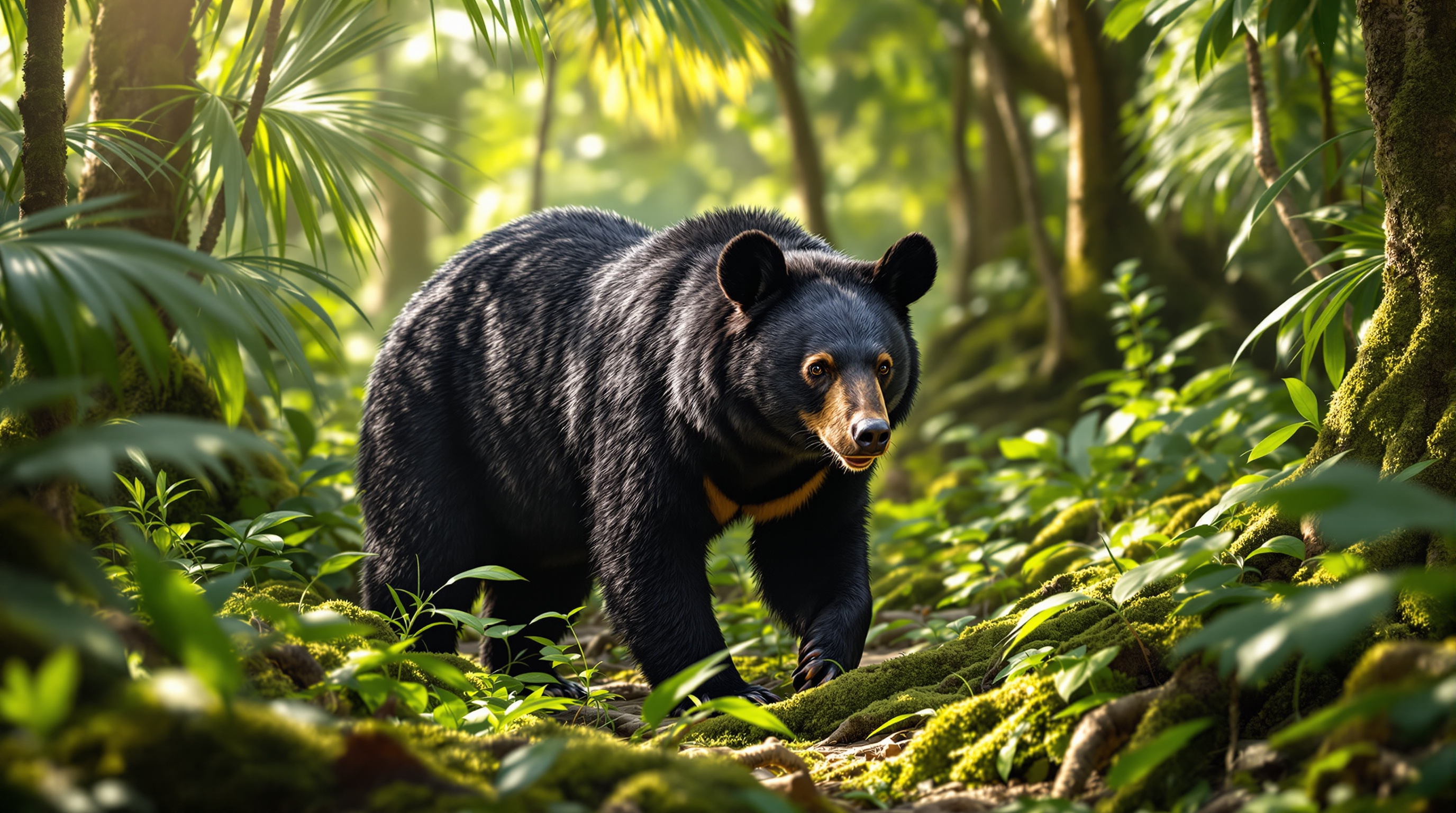
Florida is home to some of North America's most iconic — and most pressured — wildlife. The Florida panther, a subspecies of puma, is one of the rarest mammals on the continent, hemmed into shrinking southern habitat and threatened by vehicle strikes and loss of range. The Florida black bear has recovered from historic lows but still collides with expanding development. The adaptable bobcat fares better, but shares the same landscape and the same risks at its edges.
The Quiet Threats
Habitat loss is the headline, but subtler dangers matter too. Pesticides and rodenticides move up the food chain: a hawk, owl, or bobcat that eats poisoned prey can be sterilized or killed by chemicals it never touched directly. Roads fragment territories. Well-meaning people feed wild animals into dangerous dependence. Each of these is a solvable problem once people understand it — which is exactly why education is conservation work.
Wild Cats Under Pressure Worldwide
The story repeats across the cat family. Many of the world's roughly forty wild cat species are declining, from the snow leopard of High Asia to the small, little-known cats that rarely make headlines. Habitat loss, prey depletion, poaching, and conflict with people drive the trend. The IUCN Red List tracks each species' status, and dedicated groups like the Snow Leopard Trust work species by species to turn the tide.
What Anyone Can Do
- Give wildlife space and never feed wild animals.
- Choose wildlife-safe pest control and secure trash and pet food.
- Support habitat protection and reputable conservation organizations.
- Keep learning — and share what you learn.
Every protected acre and every informed neighbor tilts the odds back toward the wild. Explore reputable organizations on our Resources page.